Human Design Gate 30: Recognition of Feelings — Meaning & Theme
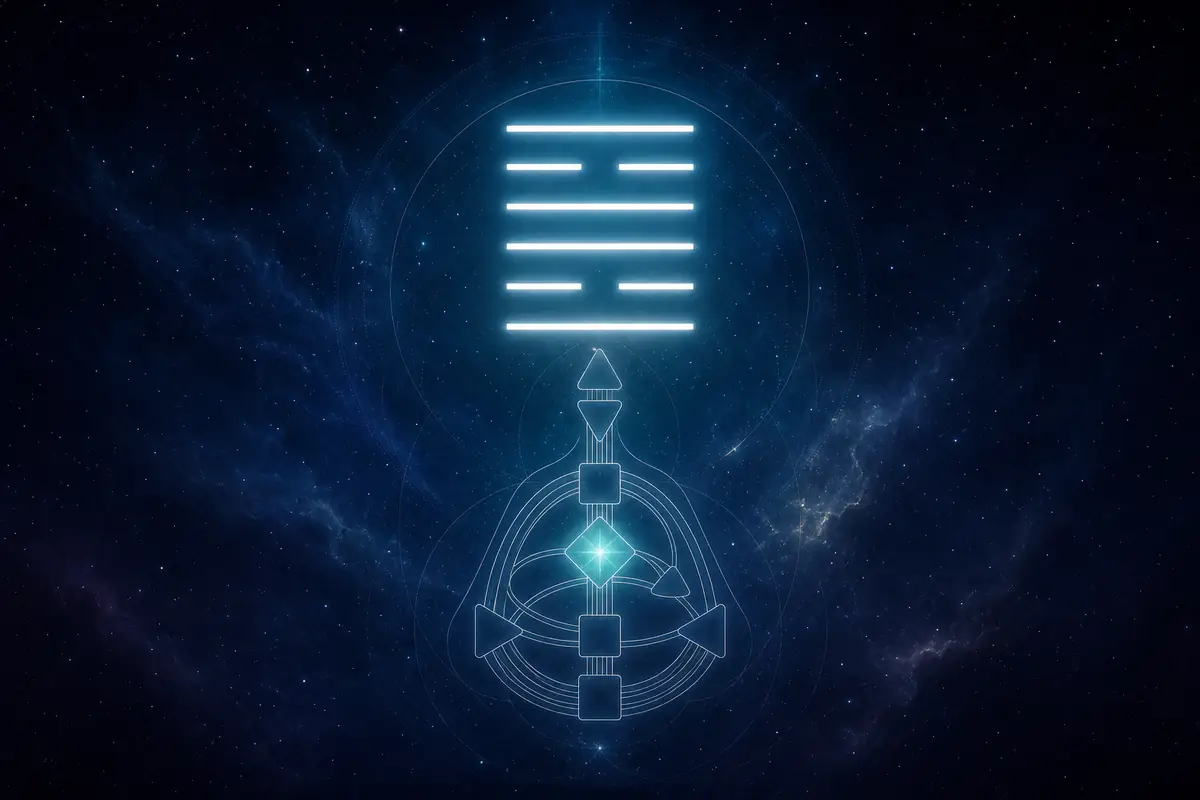
Wanting something strongly, and not yet knowing what it is, is a very specific human state, and gate 30 is where Human Design places it. The gate is called Recognition of Feelings and lives in the Solar Plexus, the emotional centre of the bodygraph. Its theme is the pull of desire and the intensity that comes with it, along with the gradual business of recognising what a feeling is really about. It spans 24°30' Aquarius to 0°08' Pisces in the tropical zodiac. A planet in that range on the Personality or Design side defines the gate.
Desire that arrives before its object
The keynote is a feeling that exists first and finds its subject later. Someone with gate 30 defined may sense a hunger for experience, a longing or an excitement without being able to say what it attaches to. That gap is not a malfunction. The gate describes wanting as a force that moves a person toward life, and the work of the gate is to let the wanting be felt without grabbing the first available answer to it.
Feelings recognised in hindsight
Recognition is the second half of the gate's name, and it suggests something that happens over time. Human Design reads the Solar Plexus as working in waves, and where that centre is defined, a feeling that seems overwhelming at one hour can look different a day later. The theme here is learning, through repeated cycles, which desires were passing and which were worth following. Reading a feeling once and acting on it is a different thing from recognising it after it has returned a few times.
- A desire that returns across several moods is easier to trust than one that peaks once.
- Intensity is information about the feeling, not proof that it must be acted on.
- Naming the feeling aloud to someone else often shows what it was attached to.
A hanging gate reaching for gate 41
Gate 30 forms the Recognition channel with gate 41, which sits in the Root centre. A channel is only defined when both of its gates are, and when gate 30 is defined without gate 41 it is called a hanging gate. A hanging gate does not break anything. It simply points toward a partner it does not own. One way to see the reaching quality is as an unfinished circuit: the wanting is present, and the impulse that would set it going lives in gate 41. Around people or transits that supply gate 41, the connection can complete and the desire may feel more purposeful, though only for as long as that supply lasts.
So someone with only gate 30 may notice that their longing sharpens in particular company, then fades when they are alone again. That is a pattern worth observing before drawing conclusions about it. The gate on its own does not define the Solar Plexus, and it does not decide anything about type or authority; those depend on whole channels and the chart as a whole.
A feeling can be true as a feeling and still be early as a plan. Let it return before you build on it.
Telling longing from impatience
Not every strong pull is a longing for something in particular. Some of it is impatience: a wish for the discomfort of not knowing to end. The two can feel alike from inside, and a person with this theme may spend time acting on the impatience while believing it is the longing. One way to separate them is to ask what would still be wanted if the feeling were not so loud. A desire that has a specific shape, such as a place, a person or a piece of work, tends to survive the question. A restlessness that attaches to whatever is nearest does not. This is a practical sorting exercise rather than a rule about how the gate behaves.
Explaining a wanting that has no label yet
Intense feeling that has no name yet is hard to hand to another person. It can come out as a mood, as sudden enthusiasm or as withdrawal, and the people nearby are left to guess. Saying plainly that something is felt strongly and not yet understood gives them more to work with than a performance of certainty. It also takes pressure off the wanting itself, because it no longer has to be justified on the spot. A trusted friend who simply listens, without trying to solve the feeling, can be enough for the first draft of recognition to appear.
Pacing a strong wanting
Strong feeling can swing between enthusiasm and flatness, which is a reasonable cycle to watch for in this theme. The practical response is pacing: letting some desires be experienced fully and others left unstarted, rather than treating every spark as a call to action. Rest between waves is part of how the gate stays usable. The Sun is in gate 30 from about February 13 to February 18, with the Earth opposite in gate 29, so a birth in that week carries the theme on the Personality side.
What Human Design is and how to read a bodygraph — read the guide →
Get your free Human Design chart and AI reading — create an account →
Frequently Asked Questions
Why might gate 30 feel so intense?
The gate belongs to the Solar Plexus, which Human Design reads as running in emotional waves when it is defined, and its theme is desire. Together those suggest a strongly felt, rising and falling wanting. Intensity is a tendency of the theme, not a guaranteed experience, and how it is felt depends on the wider chart and on which other gates and channels are defined.
Is it possible to have gate 30 without feeling its pull?
Yes. A defined gate describes a theme available in the chart, and how loudly it is felt varies with the rest of the bodygraph. Some people notice the longing clearly, others mostly in particular company or at particular times. Nothing in Human Design requires the gate to feel dramatic, and your own observation over time is the best guide.
What do hanging gates like gate 30 need from other people?
A hanging gate reaches toward its partner, here gate 41, so contact with someone who carries that gate, or a transit through it, can briefly complete the channel. That effect is temporary and belongs to the moment. It does not change your own bodygraph, and it does not mean you need that person in order to be whole.
Is the longing of gate 30 the same as being in love?
No. The theme is desire in a broad sense: a hunger for experience that may attach to a person, a place, a project or nothing yet. Recognition is the work of learning what a particular feeling was about, often after it has returned. It is a tendency within the chart rather than a statement about romance or any single relationship.